
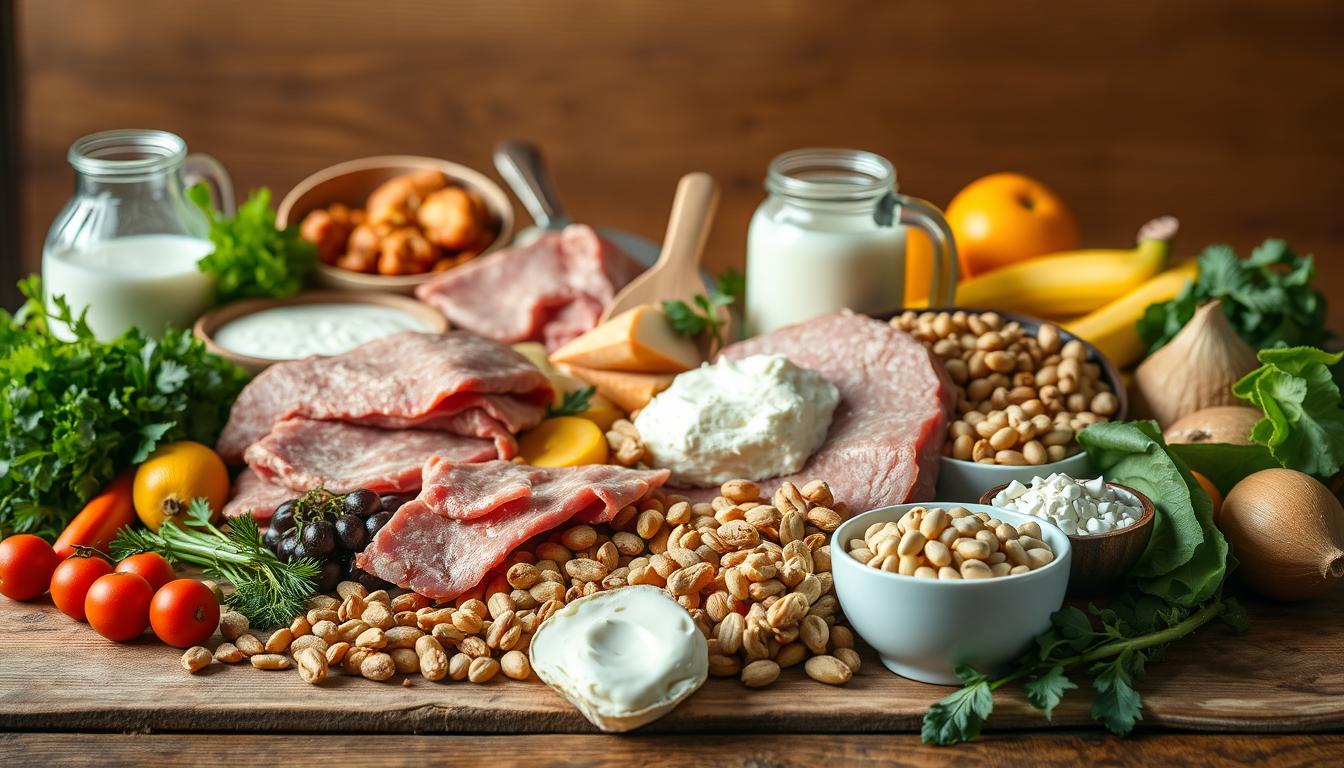
Ever wondered why some diets make you hungry all the time, while others keep you full? The answer might be simpler than you think: protein. Learning about protein’s power could be key to your weight loss journey. How does eating more protein help you lose weight and keep your muscles strong?
Protein isn’t just for bodybuilders—it’s essential for everyone, especially if you’re trying to lose weight. This section explains how protein can make you feel full and boost your metabolism. We’ll also look at how it helps keep your muscles strong, so you lose fat, not muscle, even when you’re eating fewer calories.
Quick Recommendation: Our blog is jam packed with tips and valuable information to help you lose weight and better your health. If you're seeking a comprehensive weight loss program or supplement, we recommend Nagano Tonic.
Why Protein is Crucial for Weight Loss
Protein is key for losing weight. It boosts your metabolic rate. Eating a lot of protein gives your body what it needs and speeds up your metabolism. This means you burn more calories, even when you’re not moving.
Protein also helps control your appetite. Feeling hungry can stop your weight loss plans. Protein keeps you full longer, which means you eat fewer calories. This helps you avoid cravings and stay on track with your weight loss goals.
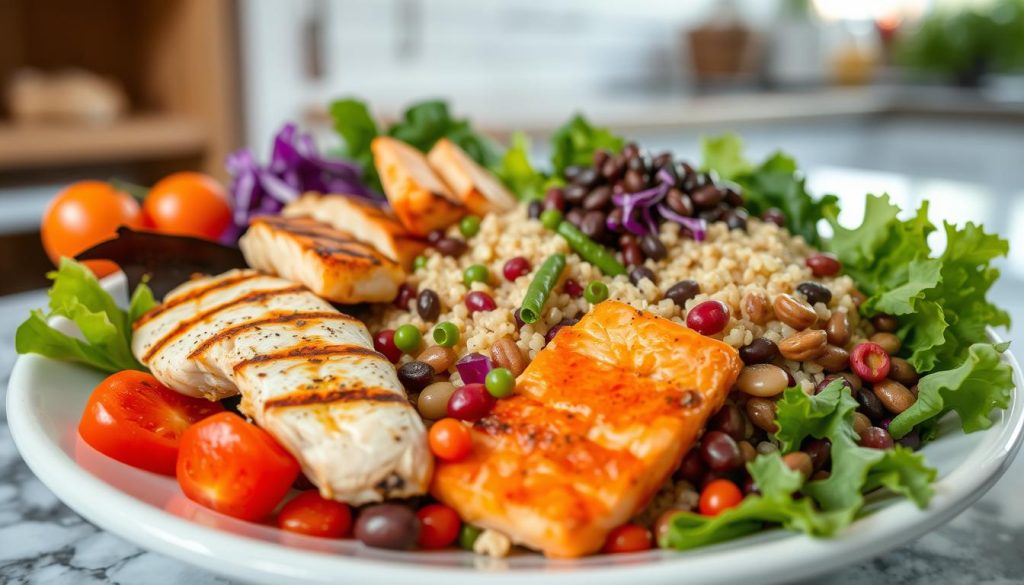
Keeping lean muscle mass is important when you’re losing weight. Protein helps you do this. It ensures you lose fat, not muscle. This keeps your body composition healthy, making you look and feel better.
The Different Types of Protein and Their Benefits
There are many types of protein, each suited for different needs and tastes. You’ll find complete proteins, plant-based proteins, and animal proteins. Knowing about these can help you pick the right protein for your health goals.
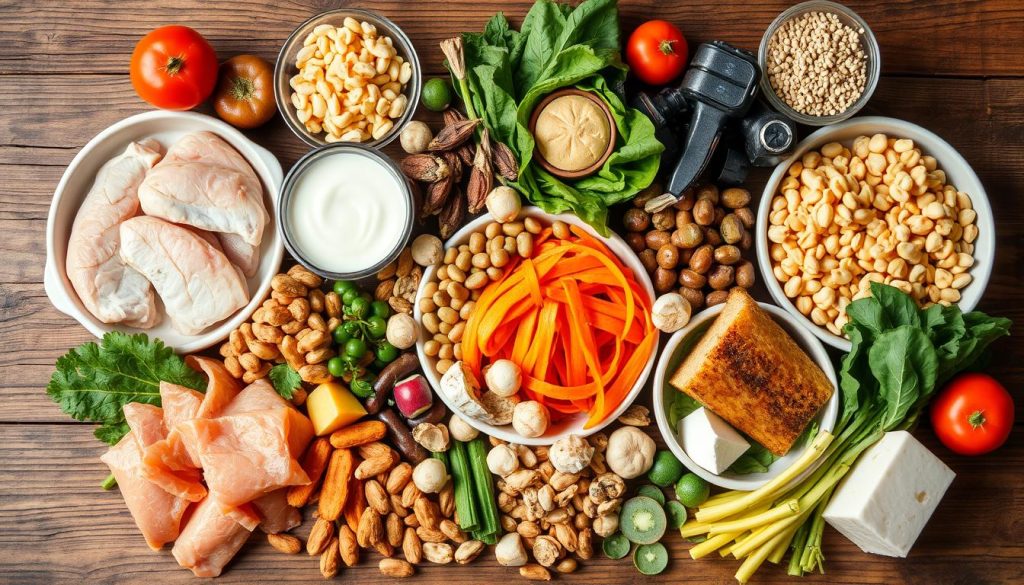
Complete proteins have all nine essential amino acids. Your body can’t make these, so you need to eat them. Animal proteins like meat, fish, eggs, and dairy are great examples.
Plant-based proteins come from beans, lentils, tofu, nuts, and seeds. They might not have all amino acids in one serving. But, mixing different plant proteins can give you all the amino acids your body needs.
Proteins offer more than just amino acids. Animal proteins help muscles repair and grow fast. Plant proteins, on the other hand, are full of fiber, vitamins, and minerals that boost health and digestion.
Choosing plant, animal, or a mix of proteins can meet your nutritional needs. Each type has its own benefits. A varied diet rich in amino acids and nutrients is key to staying healthy.
How Much Protein Do You Really Need?
Knowing how much protein you need starts with understanding dietary guidelines. These guidelines say adults should get 10% to 35% of their calories from protein. But, how much is right for you? That depends on your personal needs.
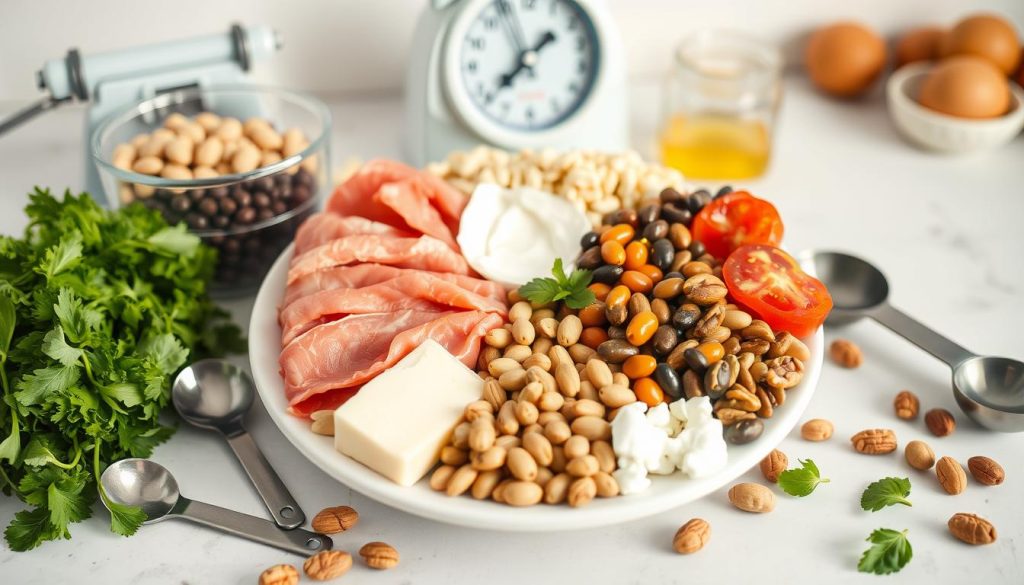
The amount of protein you need varies. It depends on your weight, how active you are, and your health goals. For example, someone who is very active or trying to build muscle might need more protein than someone who is not as active.
Health experts suggest that most adults need about 0.8 grams of protein per kilogram of body weight. But, athletes or very active people might need up to 2.0 grams per kilogram. To figure out your protein needs, think about your weight and how active you are.
If you weigh 150 pounds (about 68 kilograms) and are moderately active, you might need 68 to 102 grams of protein a day. This method helps you meet your protein needs, whether you’re trying to build muscle, lose weight, or stay healthy.
The Best Protein-Rich Foods to Include in Your Diet
Looking to boost your diet with the best protein sources? You’re in the right spot. Here are some top picks that are great for nutrition and can help with weight loss and health.
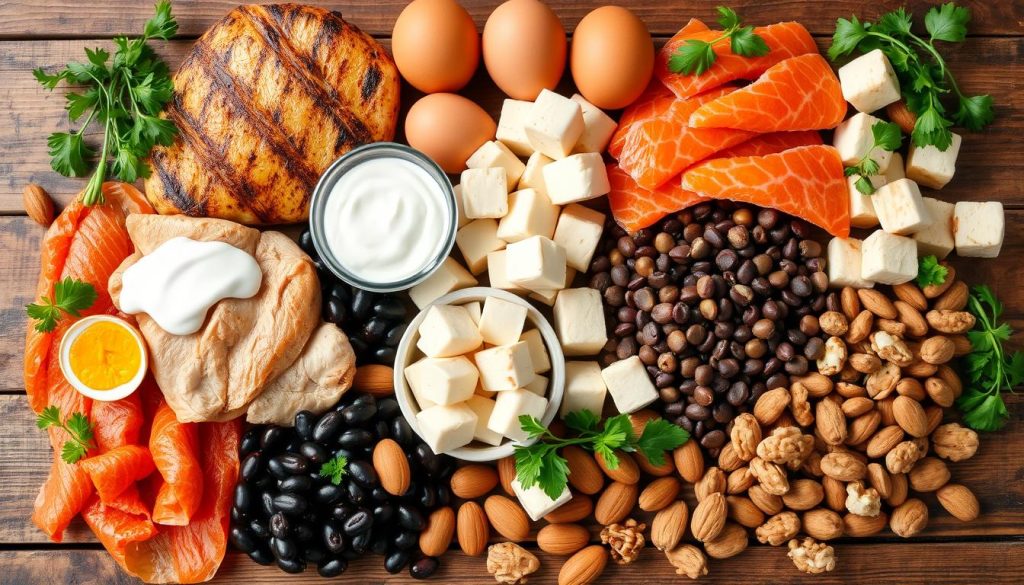
Lean meats are a great start. Chicken breast, turkey, and lean beef are high in protein but low in fat. They’re also super versatile and can be made in many tasty ways.
Fish is another powerhouse. Salmon, tuna, and mackerel are not just high in protein but also in omega-3s. These are good for your heart.
If you prefer plants, legumes are the way to go. Beans, lentils, and chickpeas are full of protein and fiber. Fiber helps with digestion and keeps you full.
Dairy products like Greek yogurt, cottage cheese, and milk are also good for protein. They’re perfect for quick snacks and can add protein to any meal.
Nuts and seeds, while not as high in protein, are great for quick energy. Almonds, walnuts, and chia seeds can boost your nutrition and keep you satisfied.
Adding these diverse protein sources to your diet does more than just fuel your body. It also supports weight loss and overall health. So, mix up your meals with these options. You’ll find healthy eating can be tasty and fulfilling.
The Power of Protein: How It Helps You Shed Pounds and Stay Full
Starting a weight loss journey can feel overwhelming. But adding lean protein to your meals is key to controlling hunger. Protein helps you feel full for longer, preventing you from eating too much. This stops the cycle of constant snacking.
Dr. Michael Greger and other diet experts stress the role of lean protein in weight management. They say it keeps muscles strong and helps control hunger. You can choose from plant-based foods like legumes and tofu or animal-based foods like chicken and fish. Adding these to your diet can help you lose weight more easily.
Many people have found success with protein. They say it makes them feel less hungry and gives them more energy. This makes losing weight a more enjoyable and manageable task.
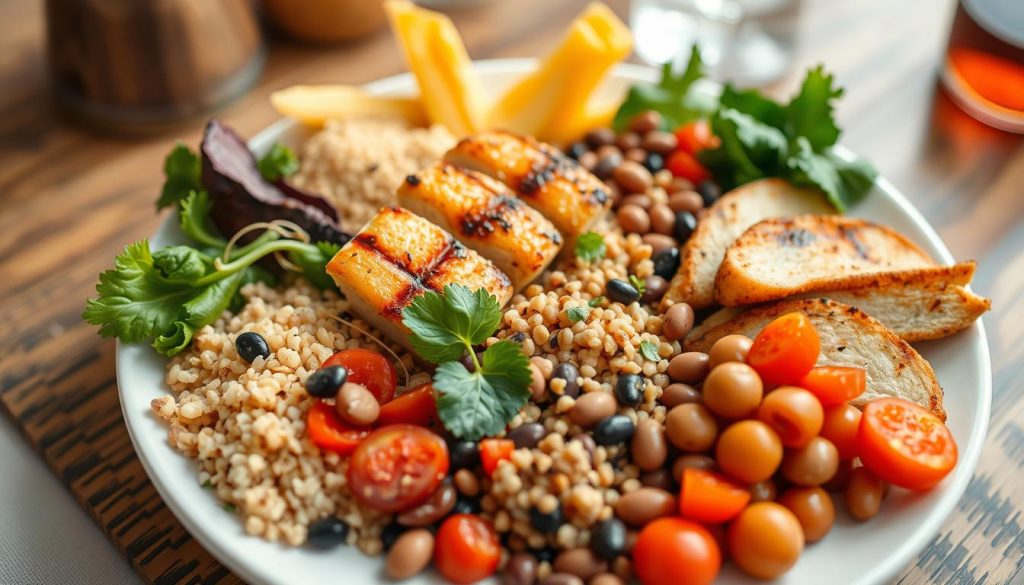
Adding lean protein to all your meals is a smart move. It keeps you full and gives you the nutrients you need. Try a protein-rich breakfast, a chicken salad for lunch, or a tofu stir-fry for dinner. Protein is a powerful ally in managing hunger and reaching your weight loss goals.
Quick Recommendation: Our blog is jam packed with tips and valuable information to help you lose weight and better your health. If you're seeking a comprehensive weight loss program or supplement, we recommend Nagano Tonic.
Protein-Rich Meal Ideas to Keep You Full
Incorporating high-protein recipes into your meal plan is key for weight loss. Protein keeps you full, reducing the need for extra snacks. Here are some tasty, protein-rich meal ideas for any time of day.
Begin your day with a veggie omelet filled with spinach, tomatoes, and low-fat cheese. Add turkey bacon for extra protein. Or, try Greek yogurt with mixed berries and nuts for a refreshing, protein-packed start.
For lunch, a grilled chicken salad is a great choice. It includes mixed greens, cherry tomatoes, cucumbers, and a light vinaigrette. Add chickpeas and sunflower seeds for more protein and crunch. Quinoa bowls with black beans, corn, avocado, and lime are also filling.
Dinner can be just as satisfying with protein-rich dishes. Try baked salmon with steamed broccoli and quinoa. Or, go for lentil pasta with lean turkey bolognese sauce. These meals are not only filling but also support your health and weight loss goals.
Remember, snacks are important too. Keep protein-rich snacks like almonds, low-fat cheese sticks, and hummus with veggie sticks on hand. They help keep your energy up and hunger away.
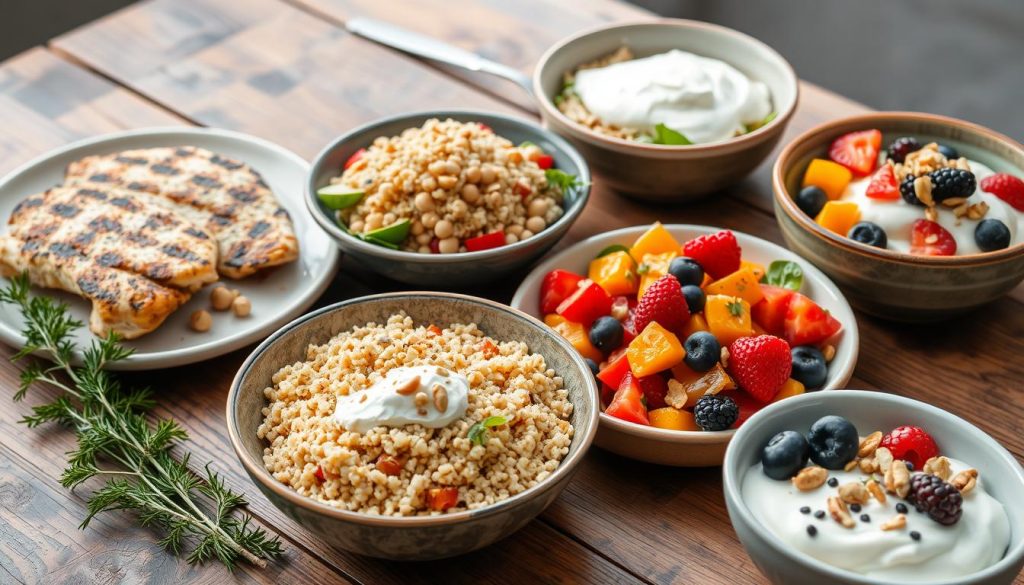
By adding these high-protein meals and snacks to your daily routine, you can stay full and focused on your fitness goals. Effective meal planning means you always have healthy, satisfying options ready.
Common Myths About Protein Intake
There’s a lot of wrong information about protein out there. Many think you need to eat meat to get enough protein. But, you can get plenty of protein from plants like beans, lentils, and quinoa.
Some people believe a high-protein diet hurts your kidneys. But, recent studies prove this isn’t true for healthy people. It’s crucial to stick to the latest protein facts, not old myths.
Another myth is that you must eat a lot of protein to build muscle. While protein is important for muscle repair, too much isn’t better. It can just add extra calories without any extra benefits.
By clearing up these protein myths, you can make smarter food choices. Focus on quality and balance, not just how much you eat. This way, you avoid common mistakes in nutrition.
Combining Protein with Other Nutrients for Optimal Results
To get the best results, mixing protein with a balanced diet is key. It’s not just about eating lots of protein. You also need carbs and fats in your meals. This mix gives your body a full range of nutrients, boosting your health and diet success.
Timing is important when mixing nutrients. Eating protein and healthy fats in the morning boosts your energy. After working out, carbs with protein help your muscles recover and refill your energy.
Creating a balanced diet means pairing protein with other nutrients well. A meal with lean protein, whole grains, and healthy fats keeps you full and supports muscle growth. This balanced eating approach greatly improves your health.
When planning meals, think about the protein and how it fits into a balanced diet. Focus on nutrient timing to get the most from your diet. This ensures your body gets the right nutrients at the right time.
How Protein Supports Muscle Maintenance During Weight Loss
When you’re trying to lose weight, it’s important to keep your muscle mass. Eating enough protein is key. It helps your body use fat for energy instead of muscle.
Adding strength training to your routine helps even more. It makes your muscles stronger by repairing them with protein. This way, you can lose fat while keeping your muscles healthy.
To keep your muscles strong, eat protein all day. It helps your body fix and grow muscles. Eating different protein-rich foods keeps your diet interesting and your muscles nourished.
Timing Your Protein Intake for Maximum Benefits
Protein timing is key to getting the most out of your gym workouts. It helps with muscle growth and recovery. It also boosts your metabolism.
After you exercise, your muscles are ready to absorb nutrients. Eating a protein-rich meal or shake within 30 minutes to an hour helps. Brands like Optimum Nutrition and MusclePharm make great protein powders for this.
Protein at the right time aids in muscle recovery and boosts metabolism. Eating protein all day keeps amino acids in your blood. This supports muscle growth and improves health.
Make sure to include protein in every meal. Eggs or Greek yogurt for breakfast, and grilled chicken or tofu for lunch and dinner. This way, your muscles get the nutrients they need when they need them.
Potential Downsides of Excessive Protein Consumption
Protein is key for a healthy diet, but too much can harm your health. One big worry is how it affects your kidneys. Too much protein can put a lot of strain on your kidneys, especially if you already have kidney problems.
It’s important to eat protein in the right amount. This balance helps your body work well without overloading any organ. Also, eating too much protein can make you dehydrated. This is because your kidneys have to work harder to get rid of protein waste.
High protein diets can also cause stomach issues like constipation or diarrhea. This shows why it’s crucial to not overdo it with protein. It can also lead to not getting enough fiber and some vitamins, which are important for health.
By eating the right amount of protein, you can keep your kidneys healthy and avoid other health problems. Always talk to a doctor to make sure you’re eating the right amount of protein for you.
Conclusion
We’ve explored how protein is key for losing weight. It’s important for losing pounds and keeping you full. Protein is a vital part of a good diet.
We talked about different proteins and their benefits. We also showed how much you need and listed high-protein foods. We cleared up myths and explained how to mix protein with other nutrients. This helps keep muscle while losing weight.
We also discussed when to eat protein and the risks of too much. Adding protein to your diet the right way supports weight loss. It also helps you keep a healthy weight over time. By eating protein wisely, you’ll be on a path to better health and happiness.
Quick Recommendation: Our blog is jam packed with tips and valuable information to help you lose weight and better your health. If you're seeking a comprehensive weight loss program or supplement, we recommend Nagano Tonic.