

Ever wondered why you can’t lose weight, even when you try your best? Many weight loss pitfalls hide in plain sight, making it hard to manage your weight effectively. In this article, we’ll explore the most common diet mistakes that block your weight loss goals. We’ll also share practical tips to get you back on track.
Skipping breakfast and setting unrealistic goals are just a couple of common mistakes. Knowing why you make these errors can help you tackle the weight loss journey more effectively. If you’ve been trying different weight loss tips but haven’t seen results, keep reading. We’ll reveal the secrets to a lasting and effective weight management plan.
Quick Recommendation: Our blog is full of tips and valuable information to help you reach your goals and better your health. If you are seeking a comprehensive program or product, we recommend Nagano Tonic.
Skipping Breakfast
Skipping breakfast might seem like a quick way to start your day. But, it can harm your health and make it harder to manage your weight. Eating a balanced breakfast is key to kick-starting your day. It helps keep you energized and focused.
Studies show that eating breakfast helps with weight loss. People who eat in the morning tend to eat less later. Skipping breakfast can lead to bad food choices and bigger portions, adding extra calories.

To build healthy morning habits, add foods high in protein, fiber, and healthy fats to your breakfast. Try Greek yogurt with fruit, oatmeal with nuts, or a smoothie with leafy greens and protein powder. These foods keep you full and help you make better food choices all day.
Understanding the role of breakfast in weight loss is crucial. Making smart food choices in the morning can lead to better health over time. So, don’t miss out on the great benefits a healthy breakfast can bring.
Overly Restrictive Diets
When trying to lose weight, very strict diets can actually harm you. Crash diets lead to nutritional gaps, unhealthy eating habits, and can even cause weight gain in the long run. It’s better to choose eating plans that focus on your health and happiness.
Drastic calorie cuts can cause nutritional deficiencies. You might miss out on important vitamins and minerals. This can lead to health problems and make it harder to stay at a healthy weight.
Strict diets can also lead to unhealthy eating habits. Unrealistic food rules can make you feel bad about food. This can lead to binge eating, emotional eating, and eating disorders, making weight loss harder.
Extreme diets might help you lose weight at first, but then you gain it back. Your body adapts by slowing down your metabolism and holding onto fat. This can make losing weight a frustrating cycle.
For better results, try eating plans that are balanced and varied. Set realistic food limits that let you enjoy different foods while keeping calories in check. This way, you’re more likely to keep a healthy weight and feel good for a long time.
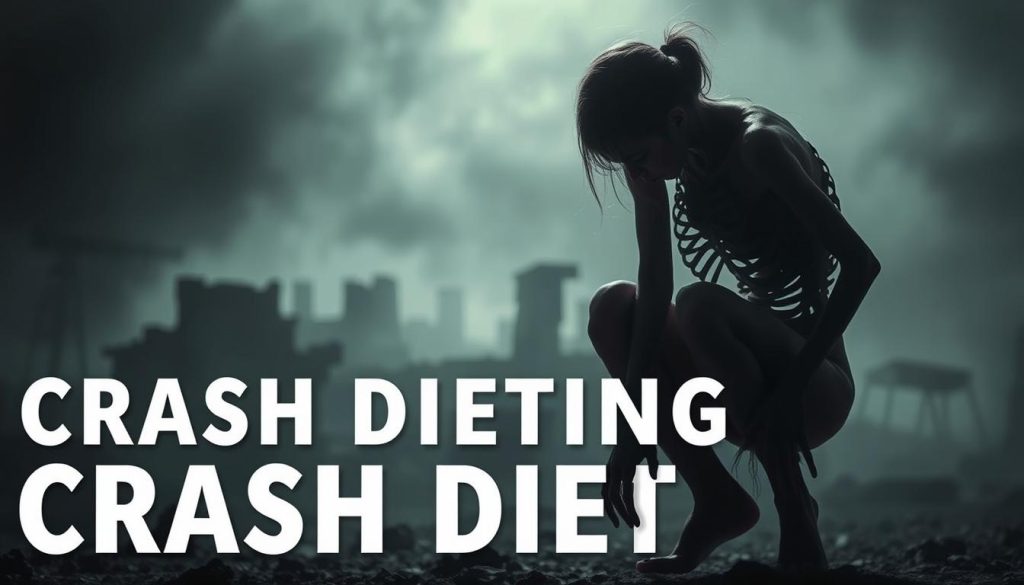
To manage your weight well, avoid crash diets and choose sustainable, realistic food rules. It’s not just about losing weight. It’s about building a healthy lifestyle that lasts.
Ignoring Portion Control
Many of us overlook the importance of portion control when trying to lose weight. We think eating “healthy” foods means we can eat as much as we want. But, portion sizes and weight loss are closely linked. Even healthy foods can hinder weight loss if we eat too much of them.
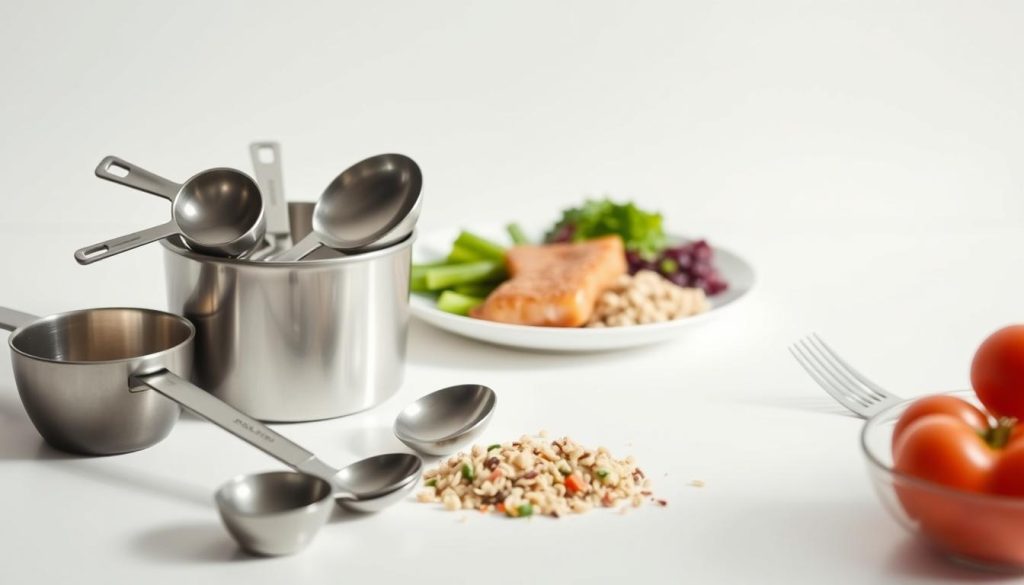
To control food servings, start by being mindful of what you eat. Using food scales can be a big help. They ensure you’re eating the right amount for your body.
Also, understanding food labels is key. They tell you how much to eat and what’s in your food. This knowledge helps you make better choices.
Practicing mindful eating is also important. Take time to enjoy each bite and listen to your body. This way of eating helps with portion control and makes meals more enjoyable. By making these changes, you’ll find it easier to manage your portions and reach your weight loss goals.
Not Eating Enough Protein
Many people overlook the importance of protein when trying to lose weight. Eating enough protein is key to feeling full and keeping muscle mass. This is a big benefit of protein in weight loss. Studies show that more protein helps control hunger, making it easier to follow your diet.
It’s not hard to add more protein-rich foods to your meals. Try lean meats like chicken and turkey, or seafood like salmon. You can also choose plant-based options like lentils and tofu. Adding these to your meals can really help.
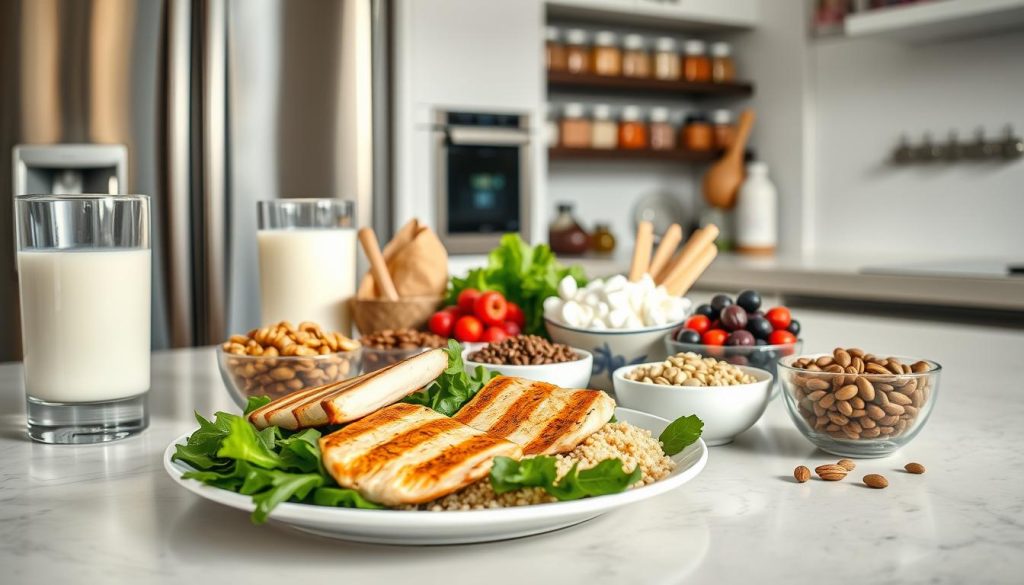
Start your day with a veggie omelet, then have a grilled chicken salad for lunch. Finish with a tofu stir-fry for dinner. By focusing on protein intake for satiety, you can manage hunger better. This makes it easier to stay on track with your weight loss plan.
Quick Recommendation: Our blog is full of tips and valuable information to help you reach your goals and better your health. If you are seeking a comprehensive program or product, we recommend Nagano Tonic.
Underestimating Snacking Calorie Counts
Snacking habits can sneak up on you and ruin your weight loss plans. Many people don’t realize how many calories snacks have. This can lead to eating more than you think.
Studies show that snacks like chips and cookies have a lot of calories. Even healthy snacks like granola can be high in calories.
One good way to fix this is to choose snacks that are lower in calories. Fresh fruits, veggies, or a small handful of nuts are great choices. Also, tracking your calories every day can help a lot. This way, you’ll know exactly how much you’re eating.

Snacking itself isn’t bad. It’s how you do it that counts. By being mindful of your snacks, you can enjoy them without hurting your weight loss goals.
Overestimating Calorie Burn from Exercise
It’s easy to fall for calorie burn myths when it comes to exercise for weight loss. You might think you’re burning more calories than you actually are. Studies show that many people overestimate their calorie expenditure during workouts. This can lead to frustration and derail your fitness goals.
To avoid disappointment, it’s crucial to have an accurate understanding of your calorie expenditure. Apps like MyFitnessPal and fitness trackers can help, but even these tools sometimes overestimate. So, it’s often a good idea to use a combination of methods to get the most accurate calorie expenditure figures.
Effective workouts don’t have to mean high-intensity all the time. Mixing moderate exercises with some intense intervals can give balanced results without overestimating your burn. It’s also important to pair your exercise routine with a healthy diet. Relying solely on exercise for weight loss without considering your food intake can lead to overcompensation and less progress than you’d hoped for.
By being mindful of these pitfalls, you can adjust your approach and set yourself up for real success. Remember, it’s always about the balance between exercise for weight loss, control over calorie intake, and understanding your true calorie expenditure.
Neglecting Resistance Training
Many people make the mistake of ignoring resistance training when trying to lose weight. It’s important to know how strength training helps. It keeps and builds muscle, which boosts your metabolism.
Strength training is often overlooked for fat loss. Adding strength workouts to your routine can help with weight loss and better body shape. You can use weights, resistance bands, or do bodyweight exercises like squats and push-ups.
These exercises not only burn calories during the workout. They also help increase muscle mass, which keeps your metabolism high even when you’re not working out. It’s key to have a mix of cardio and strength training for the best health results.
Overconsumption of Healthy Foods
It’s easy to think you can eat healthy foods all day without gaining weight. But, even healthy foods can be high in calories. This means they can lead to weight gain if not eaten carefully.
It’s important to control how much healthy food you eat. Foods like nuts, avocados, and quinoa are full of nutrients but also have more calories. Eating too much of these can cause you to take in too many calories.
To enjoy healthy foods without eating too much, be mindful of your eating. Measure your food portions before you eat. Also, pay attention to the serving sizes on food packages. This way, you can enjoy the benefits of these foods without overeating.
Setting Unrealistic Goals
Many people set very high goals when they start losing weight. They want to see fast results. But, it’s key to have realistic goals for lasting success.
Goals that are too high can make you feel like you’ve failed. This can stop you from moving forward. It’s better to aim for smaller, reachable goals. This way, you can celebrate your wins and stay motivated.
Good goal setting means breaking big goals into smaller steps. Instead of trying to lose 30 pounds in a month, aim for 1-2 pounds a week. This makes your goals easier to reach and keeps you going for longer.
Make sure your goals fit your life and situation. This way, your goals are not only realistic but also achievable. This approach helps you succeed in your weight loss journey for good.
Not Drinking Enough Water
Proper hydration is key to effective weight management. Not drinking enough water can block your weight loss goals. Studies show water helps your body burn calories better. It also makes you feel full, helping you eat less.
Drinking water does more than help with weight loss. It also supports digestion and nutrient absorption. Experts say to drink at least eight 8-ounce glasses a day for balance.
Adding more water to your day is easy. Start with a glass of water in the morning. Carry a water bottle and set reminders to drink. These small steps help meet your hydration needs easily.
Conclusion
Starting a weight loss journey is more than just wanting to lose weight. It’s about knowing the common mistakes and finding ways to avoid them. Skipping breakfast might seem like a quick way to lose calories. But, it often leads to eating too much later in the day.
Diets that are too strict are another big mistake. They can make it hard to keep up the weight loss over time. Instead, choose meals that are full of nutrients and keep you feeling full.
Controlling how much you eat and making sure you get enough protein are key steps. Even small snacks can have a lot of calories. So, it’s important to watch what you snack on.
It’s also crucial to know how many calories you burn when you exercise. Adding strength training to your workout routine can help a lot. But, eating too much of even healthy foods can still cause weight gain. This shows the need for balance.
Setting goals that you can reach and drinking enough water can really help your progress. Learning from your dieting experiences is important too. By avoiding common mistakes and sticking to healthy habits, you can live a healthier life.
Stay focused, be patient, and enjoy the journey to reaching your weight loss goals. With determination and the right approach, you can achieve a healthier, happier you.
Quick Recommendation: Our blog is full of tips and valuable information to help you reach your goals and better your health. If you are seeking a comprehensive program or product, we recommend Nagano Tonic.