

Ever wondered if losing weight is more than just cutting calories and hitting the gym? There’s a lot happening under the surface. Let’s explore the science behind weight loss and find methods that are both effective and lasting.
Metabolism and how many calories you burn versus how many you eat are key. We’ll also clear up some common myths. You’ll learn about real strategies that work and why they’re good for your health.
Quick Recommendation: Our blog is jam packed with tips and valuable information to help you lose weight and better your health. If you're seeking a comprehensive weight loss program or supplement, we recommend Nagano Tonic.
Understanding the Basics of Weight Loss
Effective weight loss starts with a calorie deficit. This means eating fewer calories than your body burns. It might seem easy, but metabolism and energy balance are key to success.
Metabolism turns food into energy. A calorie deficit makes your body use stored fat for energy, helping you lose weight. Knowing your metabolic rate is crucial. It helps you set the right calorie intake for your body.

Energy balance is also important. It’s about matching the calories you eat with the ones you burn. Keeping a calorie deficit is vital, but so is balancing your energy for daily activities and health.
Tracking your calories is very helpful. There are many apps and tools to make it easy. With knowledge of your metabolic rate, these tools can guide you to lasting weight loss.
The Importance of a Balanced Diet
Eating a balanced diet is key for losing weight and staying healthy. Eating whole foods gives your body the nutrients it needs. This includes proteins, fats, and carbs, which help your metabolism and weight loss.

Proteins help repair and grow muscles. Fats give you energy for the day. Carbs fuel your brain and muscles. Whole foods are better than processed foods, which often have unhealthy additives.
Don’t forget about vitamins and minerals, or micronutrients. They help with immune function, energy, and cell health. Foods like fruits, veggies, nuts, and seeds are full of these nutrients. Adding them to your diet can boost your health and mood.
A diet rich in whole foods is good for your mind too. It can make you feel happier, less stressed, and more well-rounded. So, when you’re trying to lose weight, remember it’s not just about cutting calories. It’s about feeding your body and mind right.
Exercise and Its Impact on Weight Loss
Regular physical activity is key to losing weight. Doing different exercises like cardio, strength training, and flexibility work helps burn calories and build muscle. This mix boosts your metabolism, helping you manage weight over time.

Cardio exercises like running, swimming, and cycling burn calories fast. Adding these to your routine boosts your heart health and endurance. They’re fun, making it easier to stick to your fitness goals.
Strength training is crucial for muscle growth. Using weights or doing bodyweight exercises like squats and push-ups tones muscles. This increases your resting metabolic rate, as muscle burns more calories than fat.
Flexibility exercises like yoga and pilates are also vital. They improve your range of motion and help with recovery, preventing injuries. This makes your workout routine more balanced and effective.
Finding the right mix of exercises makes losing weight fun and sustainable. Choose activities you enjoy to stay motivated. This way, exercise becomes a natural part of your life.
The Role of Genetics in Weight Loss
Genetics play a big role in your weight loss journey. They affect your body composition, metabolic rate, and fat storage. Your genes influence how you break down food and use energy.
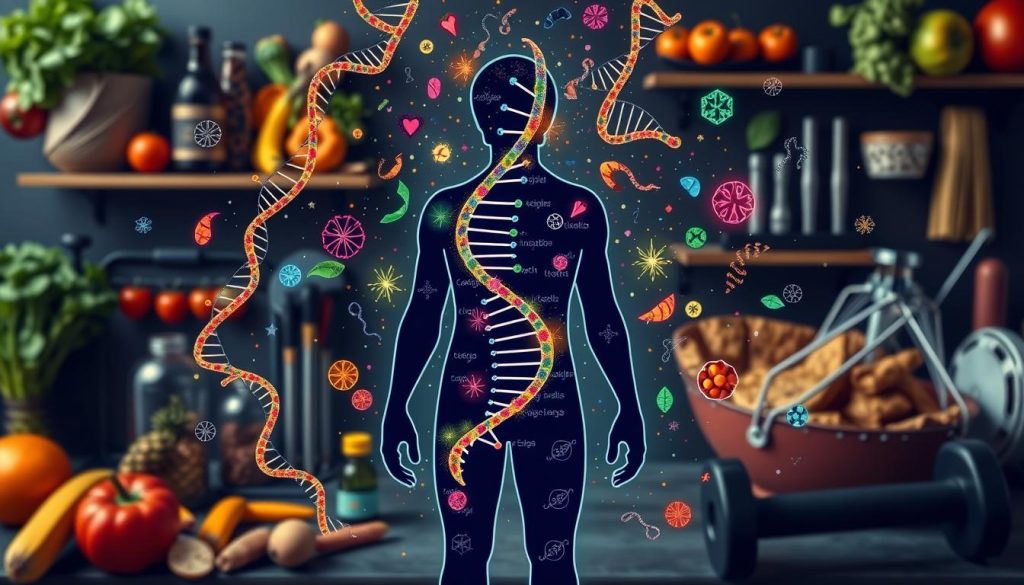
Genetic predisposition can lead to different results for people on the same diet and exercise. This is because genes interact with external factors in unique ways. Certain genes can affect your eating habits, cravings, and feeling of fullness.
Knowing about these genetic influences helps you tailor your efforts. You can’t change your genes, but you can work with them. Focus on balanced nutrition, moderate exercise, and lifestyle changes to boost your metabolism and body composition.
Stay updated with the latest scientific studies on weight loss and genetics. By understanding and using your genetic predisposition, you can reach your health and wellness goals more effectively.
Quick Recommendation: Our blog is jam packed with tips and valuable information to help you lose weight and better your health. If you're seeking a comprehensive weight loss program or supplement, we recommend Nagano Tonic.
Psychological Factors Affecting Weight Loss
Psychological factors can greatly impact your weight loss journey. Emotional eating is a big challenge for many. It happens when we eat to cope with stress, which can hinder our weight loss plans. Recognizing emotional eating can help you find better ways to deal with stress.

Your mindset towards weight loss matters a lot. Seeing it as a positive journey towards health can make a big difference. Celebrate your small wins to stay motivated.
Managing stress is also key to keeping a healthy weight. Stress makes us eat more, leading to weight gain. Try mindfulness like meditation or a walk to reduce stress. If emotional eating or stress is too much, getting help from experts or support groups can be very helpful.
By focusing on these psychological aspects, you can make your weight loss journey easier. It helps you stay on track in a healthy and lasting way.
The Science of Weight Loss: What Really Works and Why
Understanding the science behind weight loss can make a big difference. Evidence-based weight loss strategies show why some methods work better. By looking into the research, you can find what really works for the long haul, not just quick fixes.
Recent studies highlight the importance of personalized weight loss science. Everyone’s body reacts differently to diets and exercise. Making your plan fit your unique needs increases your chances of lasting success.
Many weight loss programs don’t consider individual differences, leading to frustration. Personalized approaches help you lose weight and build healthier habits that fit your life. Using evidence-based weight loss practices can turn your efforts into a lasting achievement.
Common Weight Loss Mistakes to Avoid
Starting your weight loss journey? It’s key to know about common pitfalls. Many fall into the trap of quick-fix diets that promise fast results but are hard to keep up. These diets can cause you to hit a weight loss plateau, slowing down your progress.
A big mistake is trying to lose weight too fast. This can lead to focusing too much on quick weight loss. It’s better to aim for a balanced diet that supports slow, steady weight loss.
Hitting a weight loss plateau is common. Don’t get discouraged if you reach one. Try changing your workout or diet a bit to get moving again. Knowing these pitfalls helps you stay on track and make better choices.
Personalizing Your Weight Loss Plan
Weight loss is not a one-size-fits-all journey. To achieve success, you need to develop an individualized weight loss strategy. This means considering your unique lifestyle, dietary preferences, and any medical considerations you may have. The first step in personalizing your plan is goal setting. Set achievable and realistic goals that can keep you motivated throughout your journey.
Once your goals are in place, the next important element is tracking progress. Monitoring your progress helps to identify what works for you and what doesn’t, allowing you to make necessary adjustments to your plan. You can use numerous apps and devices to assist with tracking progress, providing you with real-time data and insights.
Technology can be a valuable ally in personalizing your weight loss approach. Various apps are available that can help tailor your individualized weight loss strategy by recommending meal plans, workout routines, and even meditation practices. These tools also offer a convenient way to sync your activities and progress, ensuring that you stay on track with your goal setting.
Remember, flexibility is key. As you continue, you might find that some aspects of your plan need to be adjusted. Listen to your body and be open to modifying your individualized weight loss strategy to better suit your evolving needs. Consistency in tracking progress and making necessary adjustments will help you stay resilient and committed to your weight loss journey.
The Role of Sleep in Weight Loss
When it comes to weight management, sleep quality often gets overlooked. People usually focus on diet and exercise, forgetting how important sleep is. A good night’s sleep helps your body balance hormones that control hunger and metabolism.
Not getting enough sleep makes your body produce more ghrelin, the hunger hormone. It also makes less leptin, the fullness hormone. This can lead to overeating. Plus, poor sleep can make your body less sensitive to insulin, causing fat storage and making weight loss harder.
To improve sleep quality, start a regular bedtime routine and make your sleep space restful. Reducing screen time before bed and keeping your room dark and cool can help a lot. Good sleep habits are key to balancing hormones and managing weight effectively.
Supplements and Weight Loss: Do They Work?
The weight loss industry is full of products claiming to help you lose weight. But do these dietary supplements, weight loss aids, and fat burners really work? It’s important to understand the science and risks behind them.
Fat burners are known for speeding up metabolism. Some studies show they can help, but results vary. Ingredients like caffeine can boost energy but might not be good for everyone.
Appetite suppressants try to make you eat less. Ingredients like glucomannan and garcinia cambogia are often used. Some people say they help, but science is still unsure.
Meal replacements offer a set amount of nutrients. They can be helpful for those with little time. But, make sure they give you all the nutrients you need.
When looking at dietary supplements, choose ones the FDA has checked. While some aids might help, they work best with a healthy diet and exercise.
Conclusion
Starting a successful weight loss journey isn’t about being perfect. It’s about making lasting lifestyle changes for better health. We’ve looked at many aspects of weight loss in this article. This includes understanding the basics and the role of psychology and genetics.
A balanced diet and regular exercise are key. Adding enough sleep and managing stress are also important. These steps are the foundation of any good weight loss plan. It’s vital to tailor your plan to fit your own needs and goals.
The path to lasting health is about making small, achievable changes. It’s not about quick fixes. Focus on your progress, celebrate your wins, and don’t get down about setbacks. By living these principles every day, you can lead a healthier, happier life.
Quick Recommendation: Our blog is jam packed with tips and valuable information to help you lose weight and better your health. If you're seeking a comprehensive weight loss program or supplement, we recommend Nagano Tonic.