

Have you ever wondered if everything you know about dieting could be wrong?
In a world full of diet misconceptions and nutritional falsehoods, it’s easy to feel lost. From fad diets to miracle superfoods, finding what really helps with weight loss can be tough. This article aims to clear up the confusion. We’ll explore the myths and reveal the surprising truths about the foods you eat. Get ready to uncover the myths that may have been holding you back from losing weight.
Quick Recommendation: Our blog is jam packed with tips and valuable information to help you reach your weight loss goals and better your health. If you're looking for a comprehensive weight loss program, product, or supplement, we recommend Nagano Tonic.
The Role of Carbs in Weight Loss
Carbohydrates often get blamed for weight gain, but not all carbs are bad. They are a key energy source for our bodies. Registered dietitian nutritionist, Joy Bauer, says the right carbs can help with weight loss.
Refined carbs, like sugary snacks and white bread, can make you hungry. But, complex carbs like whole grains, veggies, and legumes are different. They release energy slowly and help control hunger.
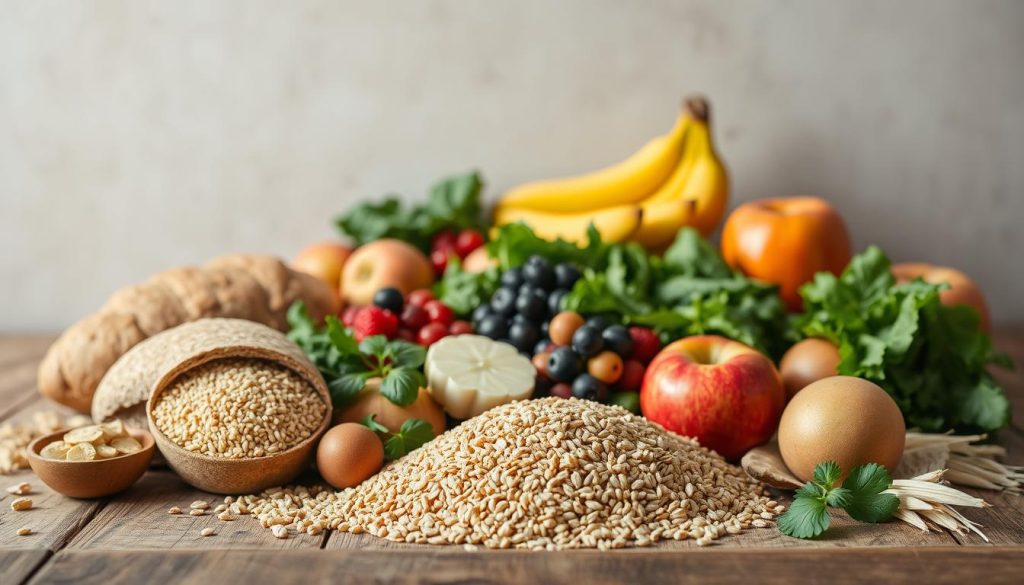
Low-carb diets might seem like a quick fix, but they can cause fatigue and nutrient loss. Choosing carbs with a low glycemic index keeps energy levels up and supports weight loss. Foods like quinoa, lentils, and sweet potatoes are great for this.
Instead of avoiding carbs, pick the right ones. They provide lasting energy and help with weight loss. Remember, it’s all about balance. So, choose the good carbs and keep moving forward in your fitness journey!
Understanding Fats: Good vs. Bad
Knowing the difference between healthy and unhealthy fats is key to a good diet. It’s a myth that all fats are bad for weight loss. The right fats can actually help.
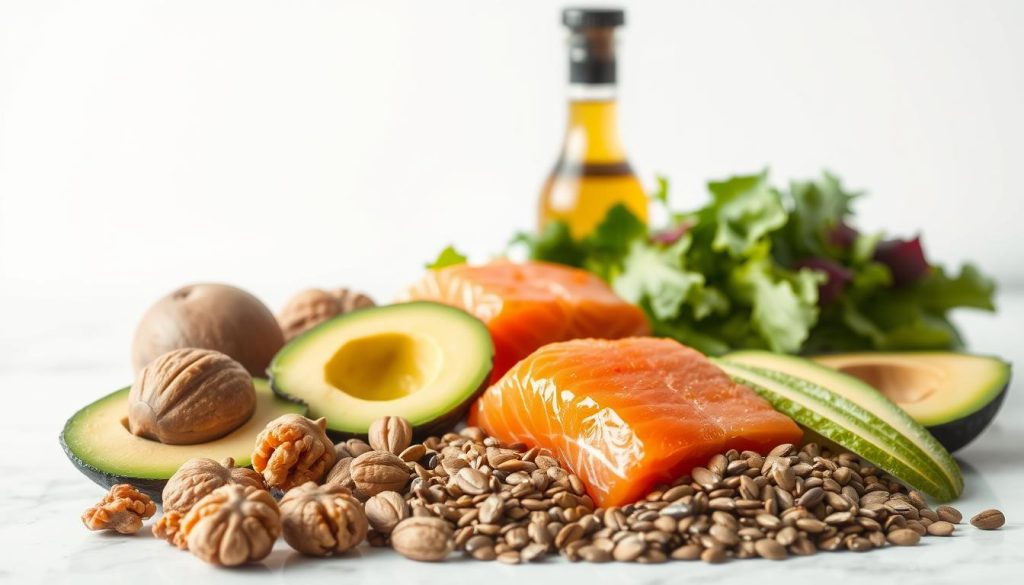
Healthy fats, like those in avocados, nuts, and olive oil, are good for you. They help keep your heart healthy and improve cholesterol levels. Omega-3 fatty acids, found in these fats, reduce inflammation and boost heart health.
Saturated fats, found in animal products like butter and red meat, have a mixed reputation. They can raise cholesterol, but it depends on your diet and health. Not all saturated fats are bad for your heart.
Trans fats, found in processed foods, are bad and should be avoided. They increase cholesterol and heart disease risk. Focus on healthy fats and cut down on unhealthy ones for a balanced diet.
Understanding fats helps you make better food choices. It supports your weight loss efforts.
Protein Myths for Weight Loss
Many think a high-protein diet is key for losing weight. But, it’s not always true and depends on your goals. Protein is vital for building muscle, but more protein doesn’t always mean more weight loss. The quality and type of protein matter more.
Plant-based proteins can help with weight loss just as much as animal-based ones. Foods like lentils, chickpeas, and quinoa offer protein, fiber, and other nutrients. Mixing up your protein sources ensures you get all the nutrients your body needs.
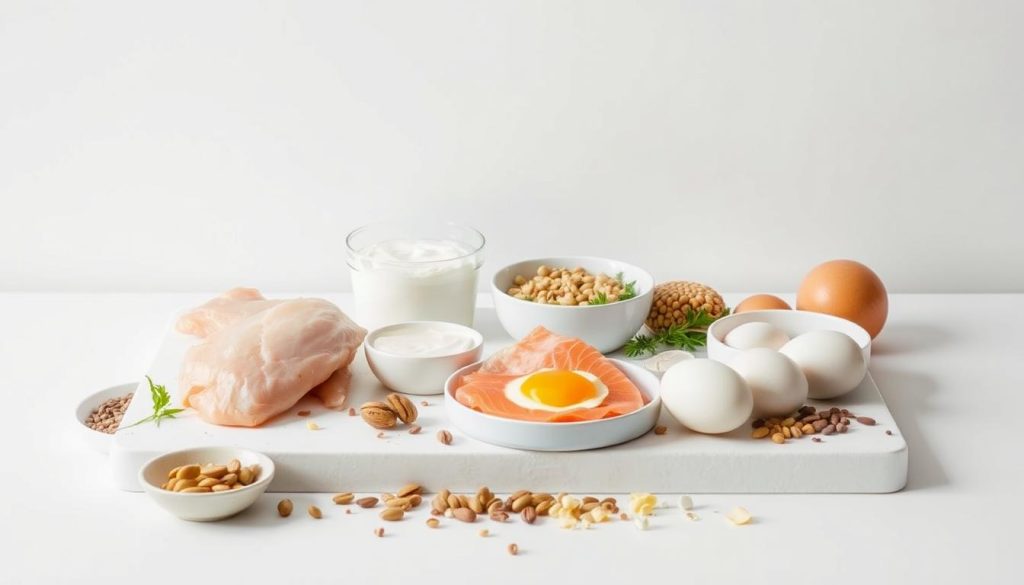
Some believe eating too much protein is harmless. But, it can harm your kidneys and cause other health problems. It’s important to eat protein in moderation. Your body also needs carbs and fats for energy and function.
In summary, while protein is crucial, it’s not the only answer for weight loss. Knowing the value of both animal and plant proteins and aiming for balanced nutrition is key. This approach helps you manage weight in a healthy and lasting way.
Debunking Common Weight Loss Food Myths
Many people believe that going gluten-free is key for losing weight. But, unless you have celiac disease or gluten sensitivity, it’s not necessary. Gluten-free foods can even have more calories and sugar.
There’s also a myth about dairy products. Some think cutting out dairy is essential for weight loss because of its fat. But, research shows that moderate dairy can be part of a healthy diet. It provides important nutrients like calcium and protein.

The idea that superfoods like quinoa, chia seeds, and acai berries are magic for weight loss is a myth. No single food can give you all the nutrients you need or lead to big weight loss. A balanced diet with fruits, vegetables, whole grains, and lean proteins is the best way to stay healthy.
In short, knowing the truth about dieting myths can guide you better. Whether it’s questioning the gluten-free diet, understanding dairy, or being careful with superfoods, knowledge is key in your weight loss journey.
Quick Recommendation: Our blog is jam packed with tips and valuable information to help you reach your weight loss goals and better your health. If you're looking for a comprehensive weight loss program, product, or supplement, we recommend Nagano Tonic.
The Impact of Sugar on Weight Loss
Sugar plays a big role in weight gain. But why do sugar cravings hurt your weight loss plans? It’s all about how your body handles sugar and insulin resistance.

When you eat sugar, your blood sugar goes up. This makes your body release insulin. Eating too much sugar can make your body less responsive to insulin. This makes it hard to control blood sugar levels, leading to weight gain.
Artificial sweeteners might seem better, but they can still cause sugar cravings. They might have fewer calories, but they can still affect your brain’s reward system. This can lead to cravings and weight gain.
It’s important to understand how sugar, insulin resistance, and metabolic health are connected. Being careful with sugar and choosing healthier options can help control cravings. This supports your weight loss journey.
Detox Diets and Cleanses: Myths vs. Reality
Detox diets and juice cleanses are very popular. They promise to quickly remove toxins and boost liver health. But, there’s little scientific proof to back these claims. Your body already has a great detox system, with the liver being key in filtering out bad stuff.
Eating foods like broccoli, garlic, and leafy greens can help your body detox naturally. These foods help the liver work better at its job.
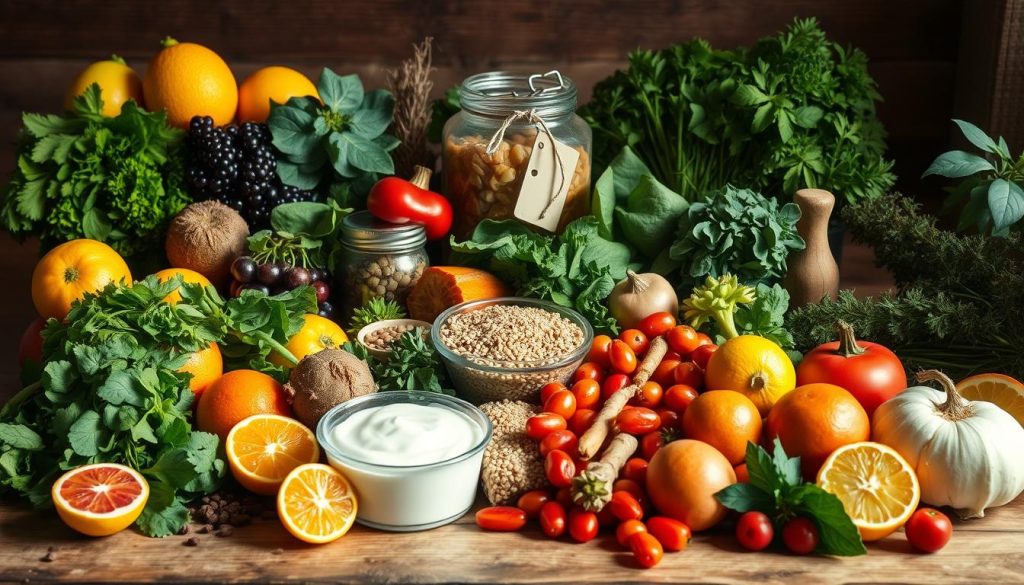
Extreme detox diets can actually harm your liver instead of helping it. A better approach is to eat a balanced diet. This supports your body’s natural detox abilities in a healthy way.
Skipping Meals: Does It Aid in Weight Loss?
Debating whether skipping meals genuinely aids in weight loss is complex. This method falls under the umbrella of intermittent fasting. It involves reducing meal frequency to positively impact metabolism. However, the results are not one-size-fits-all.
Regular meal frequency keeps your energy levels stable. This helps manage hunger effectively. Skipping meals may initially seem like a quick fix for weight loss. But it can leave you feeling deprived and more likely to binge later.
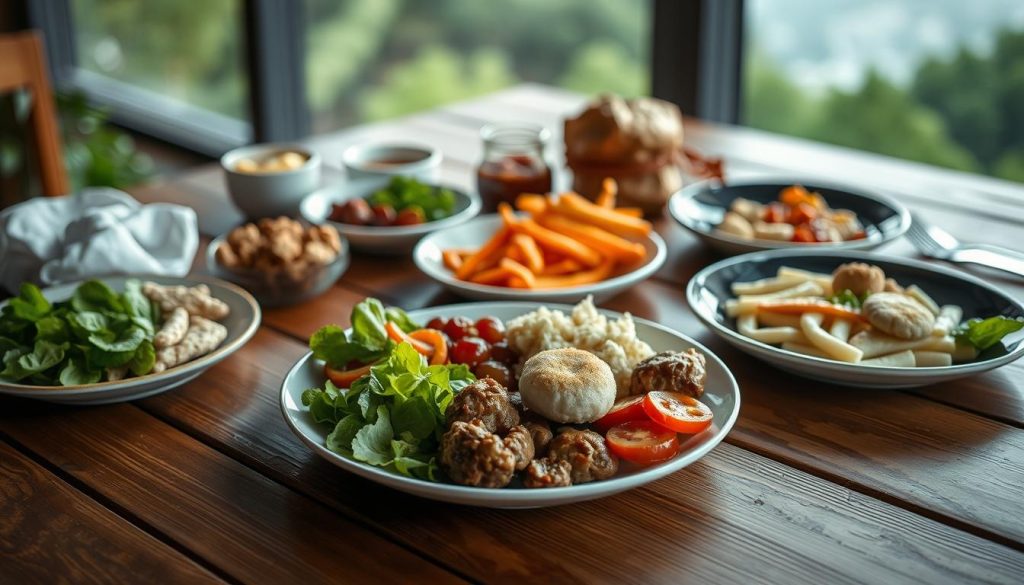
Intermittent fasting does show some promise, notably its potential to improve metabolic health. Yet, it’s essential to approach it carefully. Skipping meals can trigger an imbalance, causing spikes and crashes in your energy levels. This volatility makes hunger management tricky and can derail your weight loss goals.
Effective weight loss involves a balanced approach to meal planning. Randomly skipping meals tends to backfire, affecting both your metabolism and hunger management. Instead, focus on a consistent eating pattern that aligns with your lifestyle and nutritional needs. By maintaining a stable meal frequency, you’re more likely to sustain long-term weight loss and overall health.
The Truth About ‘Low-Fat’ and ‘Fat-Free’ Foods
Have you seen all the fat-reduced products in stores? They look like they’re good for you because of their healthy labels. But, the truth is more complicated. Diet food ads often make us think less fat means less weight. But, that’s not always true.
Many people don’t know that removing fat can make food taste worse. So, companies add sugars and unhealthy stuff to make it taste better. This means fat-free foods might not be as healthy as they seem. They could even make you eat more bad stuff. So, it’s important to check what’s in these foods.
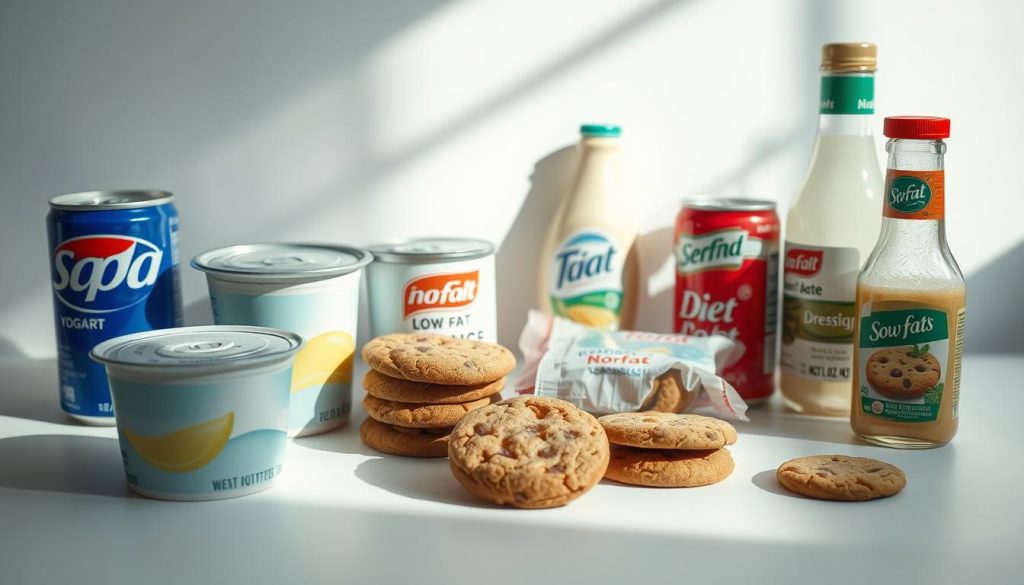
The real secret to a healthy diet is looking at all nutrients, not just fat. Don’t just believe what diet food ads say. Check what’s in the food instead of just looking at the label. This way, you can stay on track to being healthier without getting fooled by hidden ingredients.
Conclusion
As we wrap up this guide, it’s clear that losing weight needs a smart approach. We’ve debunked myths about carbs, fats, proteins, sugar, detox diets, and skipping meals. This lets you make informed food choices.
The secret to lasting weight loss is a balanced diet. It meets your nutritional needs and fights off false beliefs.
Knowing not all fats are bad and that good carbs matter helps you start a healthier life. The goal is not to cut out food groups drastically. It’s about making balanced diet choices that keep your body and mind healthy.
By fighting myths and finding the truth about food, you’re ready for your weight loss journey. Stay informed, curious, and aim for balance. Your path to sustainable weight loss and a better life begins with knowledge and the right food choices. Here’s to your health and well-being!
Quick Recommendation: Our blog is jam packed with tips and valuable information to help you reach your weight loss goals and better your health. If you're looking for a comprehensive weight loss program, product, or supplement, we recommend Nagano Tonic.