
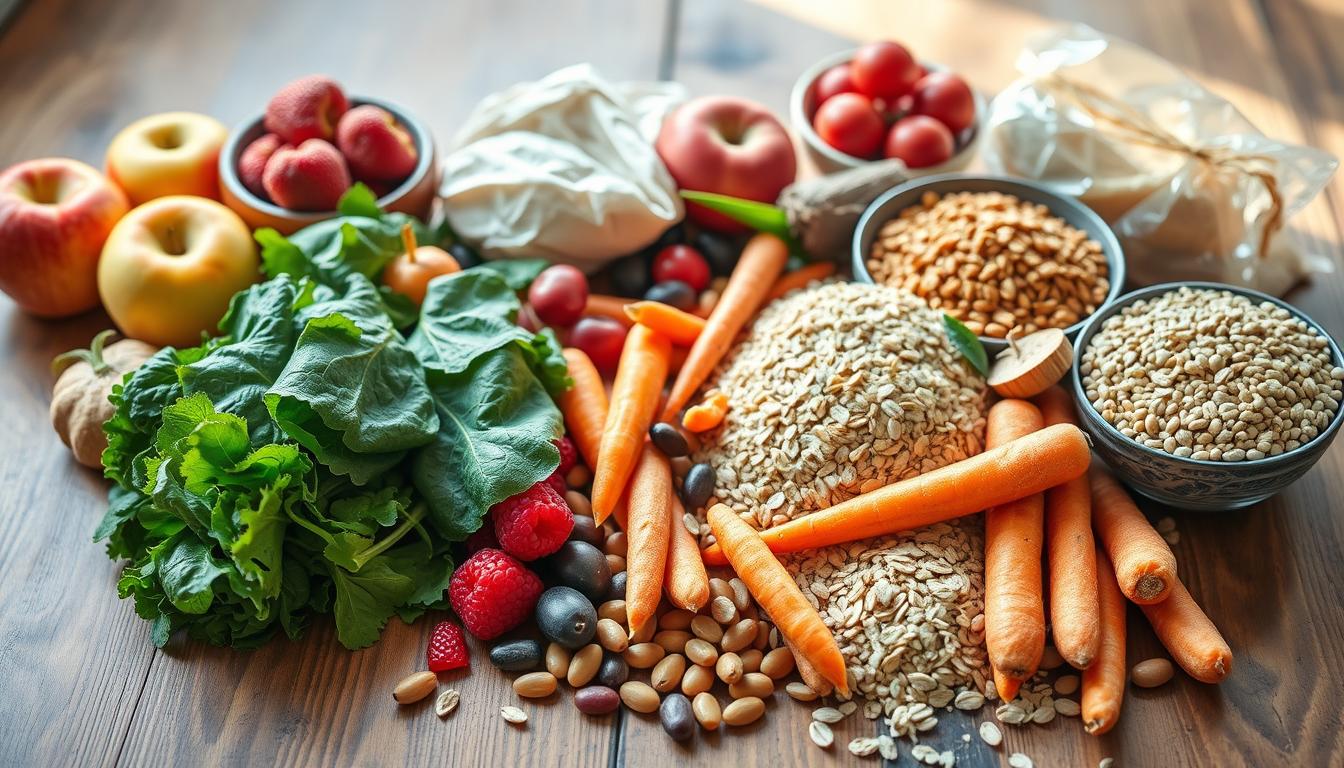
Ever thought about how dietary fiber can help with weight loss? It’s more effective than you might imagine. Fiber helps you feel full and supports healthy eating, making it key to a better you.
The Dietary Guidelines for Americans say fiber is essential but often missing from our diets. Research from the Harvard School of Public Health shows it keeps you full longer, reducing cravings. A study in the Journal of Nutrition also links enough fiber to successful weight loss.
Want to add more fiber to your meals? Discover the best ways to do it with our top nutrition tips.
Quick Recommendation: Our blog is dedicated to providing valuable information to help you reach your weight loss goals and better your health. If you're looking for a program, product, or supplement that can assist you, we recommend Nagano Tonic.
Understanding Dietary Fiber
Dietary fiber is key to a healthy diet. It comes in two types: soluble and insoluble fiber. Both are important for your digestive health.
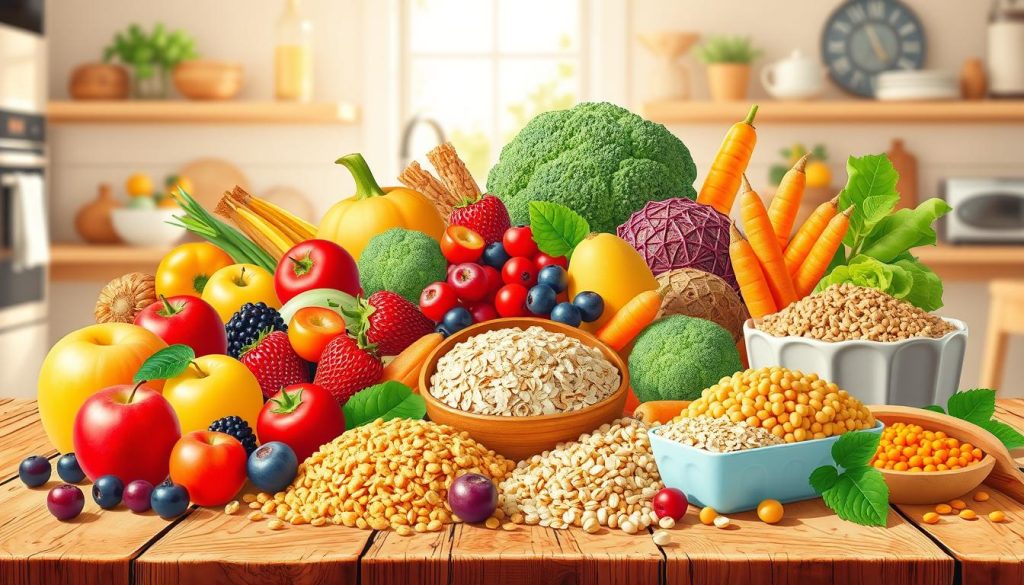
Soluble fiber turns into a gel when mixed with water. It helps control blood sugar and cholesterol levels. You can find it in oats, nuts, and legumes.
On the other hand, insoluble fiber doesn’t dissolve in water. It makes your stool bulkier and helps food move through your system. You can find it in whole grains, veggies, and fruits.
Both soluble and insoluble fiber are good for your digestive health. They help prevent constipation and lower the risk of digestive problems. They also keep your gut microbiome balanced.
Whole grains are a great source of both types of fiber. Eating a variety of fruits, veggies, and whole grains is important. It helps you get enough dietary fiber for good digestive health.
How Fiber Aids in Weight Loss
Fiber is key in weight loss. It helps by making you feel full, improving your metabolism, and cutting down on calories. When you eat fiber, it expands in your stomach. This makes you feel full for longer, helping you avoid eating too much.
Studies in The Journal of the Academy of Nutrition and Dietetics show fiber’s power. People who eat more fiber tend to lose weight better. Fiber slows down digestion and keeps blood sugar stable, which boosts your metabolism.
Research in the Annals of Internal Medicine also points to fiber’s benefits. It’s especially helpful for those with metabolic syndrome. Adding more fiber to your diet can make your metabolism work better, helping you manage your weight.
Also, studies show fiber helps you feel less hungry and eat fewer calories. High-fiber foods need more chewing. This gives your brain more time to realize you’re full. This helps control your appetite and calorie intake.
Daily Fiber Recommendations
Keeping a healthy diet is key, and getting enough fiber is a big part of it. The National Institutes of Health says how much fiber you need depends on your age and sex. Women should aim for 25 grams a day, while men need 38 grams. Kids need 14 to 31 grams, based on their age and sex.
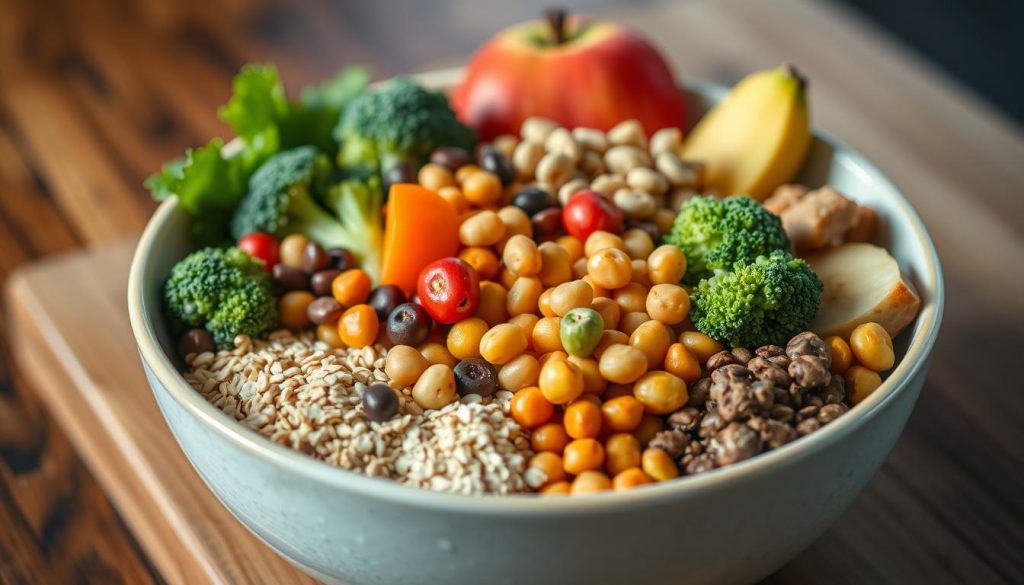
But many Americans don’t get enough fiber. The CDC found that most adults only eat 15 grams a day. This shows we need to eat more foods high in fiber.
The World Health Organization also stresses the importance of fiber. They say we should eat at least 25 to 30 grams a day. They point out that fiber helps with digestion and can lower the risk of serious diseases.
High-Fiber Foods to Include in Your Diet
Adding fiber-rich foods like fruits, vegetables, legumes, and whole grains to your diet can greatly improve your health. Fruits like apples, pears, and berries are full of fiber. They’re sweet and great for snacks or in cereals and salads.
Vegetables like broccoli, carrots, and leafy greens are not just nutritious but also high in fiber. Add them to meals as sides or blend into smoothies for a health boost.
Legumes, including beans, lentils, and chickpeas, are also excellent choices. They’re versatile and can be used in soups, stews, salads, and even burgers. They add fiber and protein, helping those who eat less meat.
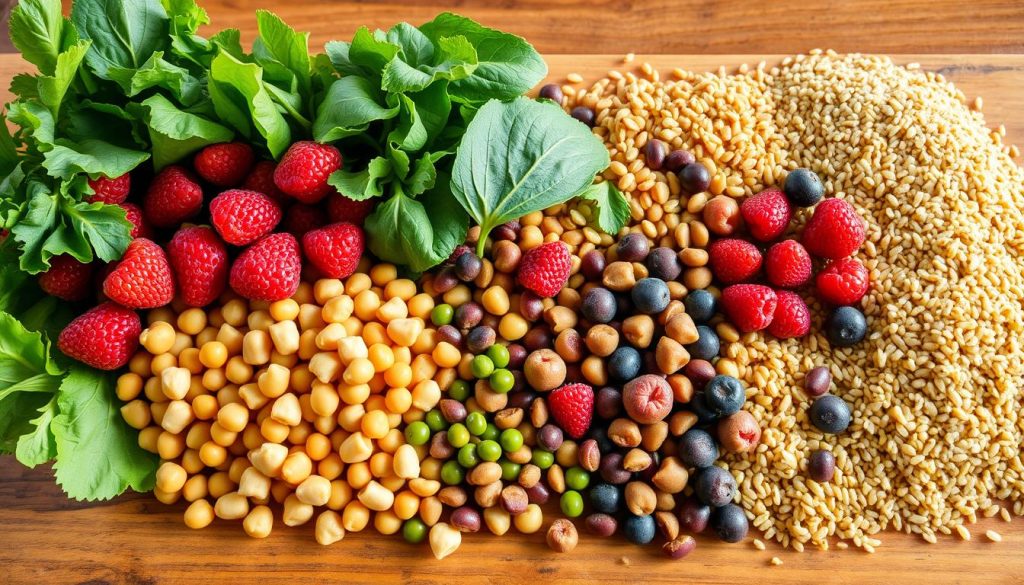
Whole grains like oats, quinoa, and barley are also high in fiber. Start your day with oatmeal or add quinoa to salads and dinners. Switching to whole grains can significantly increase your fiber intake.
The USDA says these foods improve digestion and help with weight management. The Academy of Nutrition and Dietetics notes that fiber-rich diets can lower the risk of chronic diseases. Experts recommend using these ingredients daily to boost flavor and ensure enough fiber.
Quick Recommendation: Our blog is dedicated to providing valuable information to help you reach your weight loss goals and better your health. If you're looking for a program, product, or supplement that can assist you, we recommend Nagano Tonic.
Easy Ways to Increase Fiber Intake
Boosting your fiber intake is easy. You can do it by planning your meals, using fiber supplements, and drinking enough water. Here are some simple tips to help you.

Start with meal planning. A good meal plan is key to a high-fiber diet. Include foods like veggies, fruits, whole grains, and legumes in your meals. This way, you get enough fiber and essential nutrients.
For example, try oatmeal with berries and chia seeds for breakfast. It’s a great way to start your day with fiber.
If food alone can’t give you enough fiber, supplements can help. Psyllium husk, methylcellulose, and inulin are good options. But, always talk to a doctor before starting any supplement. They can affect digestion differently.
Remember, hydration is also important when you increase fiber. Fiber needs water to work well, preventing constipation. Drink at least eight glasses of water a day to help your fiber intake.
By planning your meals, using supplements, and drinking enough water, you can easily boost your fiber intake. This will improve your digestion and overall health.
The Role of Fiber in Other Health Benefits
Fiber is more than just for weight loss. It’s key for keeping your heart healthy. The American Heart Association found that eating fiber can lower heart disease risk. This is because fiber helps lower cholesterol, protecting your heart.
Fiber is also great for controlling blood sugar. A study in the Diabetes Care journal found that enough fiber can help people with diabetes. Soluble fiber slows down sugar absorption, keeping blood sugar stable.
Soluble fiber also helps with cholesterol levels. Studies show it can lower LDL (bad) cholesterol. This improves heart health.
In short, fiber is not just for losing weight. It’s also good for your heart, blood sugar, and cholesterol. Make sure to eat both soluble and insoluble fiber for the best health benefits.
Common Myths About Fiber
There are many wrong ideas about fiber floating around. One big myth is that only whole grains have fiber. But, fruits, veggies, legumes, and nuts are also full of fiber. They give you many ways to get more fiber in your diet.
Another myth is that all fiber is the same. But, there are two kinds: soluble and insoluble. Soluble fiber helps lower cholesterol and blood sugar. Insoluble fiber helps keep your bowels regular and prevents constipation.
Nutrition experts say these wrong ideas can confuse you about fiber. Gastroenterologists warn that not knowing about fiber can hurt your gut health. So, it’s important to eat both kinds of fiber for your health.
Science has shown that many fiber myths are not true. So, when someone says all fibers are the same or only whole grains have fiber, you can correct them. Knowing the difference can really help your health and clear up old, wrong ideas.
Potential Side Effects of Increased Fiber Intake
Starting to eat more fiber can make you feel a bit uncomfortable at first. You might notice bloating, gas, or even mild cramps. This is because your body is getting used to the extra fiber.
To feel better, it’s important to make some smart changes in your diet. Start by slowly adding more fiber to your meals over a few weeks. This lets your body adjust without too much trouble. The Mayo Clinic suggests adding fiber gradually to your diet.
Also, drinking enough water is key to avoiding fiber-related discomfort. When you eat more fiber, drinking water helps your body digest it better. This can help prevent digestive problems.
Finally, talking to a healthcare professional can be really helpful. They can give you advice that fits your specific needs. They can help you make the right changes to your diet.
Conclusion
Fiber plays a key role in weight loss and health. It helps with digestion and keeps you full. Adding fiber to your diet is a smart move for better health.
Studies show fiber is great for those trying to lose weight. It also boosts heart health and digestion. It’s about more than just losing weight; it’s about living healthier.
Experts say eating enough fiber is crucial. Include foods like fruits, veggies, whole grains, and legumes in your diet. This variety brings many nutrients, improving your health over time.
Health experts agree that fiber is essential for your goals. Simple changes, like choosing whole grains and adding veggies, can make a big difference. Start with small steps towards a healthier you, one fiber-rich meal at a time.
Quick Recommendation: Our blog is dedicated to providing valuable information to help you reach your weight loss goals and better your health. If you're looking for a program, product, or supplement that can assist you, we recommend Nagano Tonic.